Forgiveness in Leadership: Why Great Managers Give People a Second Chance

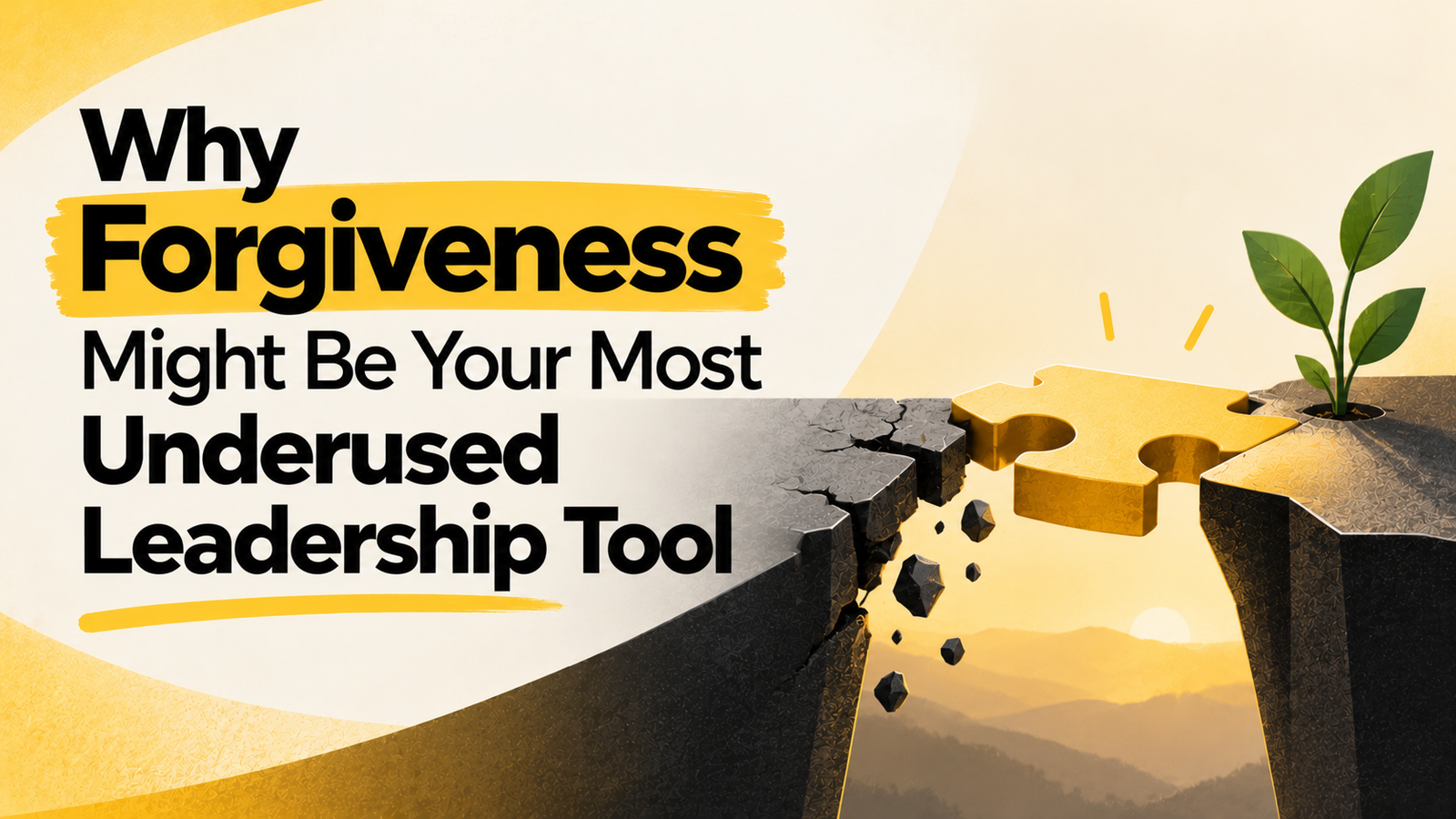
A mistake can take minutes to make. The label it creates can last for months.
An employee misses a deadline, makes a poor decision, or mishandles a client interaction. The issue is addressed, lessons are learned, and performance improves.
Yet the manager still hesitates to delegate important work.
The mistake is over. The judgment isn’t.
This is where forgiveness in leadership becomes important. Effective managers hold people accountable without allowing past mistakes to permanently define their future.
When Mistakes Become Labels
Have you ever caught yourself thinking, “I don’t trust them anymore”?
A single incident can influence how managers perceive an employee long after their behaviour has changed. They may receive fewer opportunities, have their ideas questioned more frequently, or struggle to regain responsibility.
Over time, this can affect trust, initiative, and workplace relationships.
The problem is no longer just the original mistake. It is whether the employee has a genuine opportunity to rebuild credibility.
Forgiveness Doesn’t Mean Lowering Accountability
One common misconception is that forgiving employees means overlooking poor performance.
It doesn’t.
- Accountability asks: What happened, and what needs to change?
- Forgiveness asks: Has meaningful change occurred, and am I willing to move forward?
Accountability establishes expectations and consequences. Forgiveness allows managers to recognise improvement without holding past mistakes against employees indefinitely.
The goal is to address the behaviour without permanently labelling the person.
How Managers Can Practise Forgiveness at Work
Forgiveness doesn’t require ignoring the past. It requires responding to present evidence fairly.
- Separate Behaviour from Identity
Instead of saying, “You’re unreliable,” say, “The deadline was missed. What needs to change next time?”
Addressing specific behaviour creates room for improvement without attaching a permanent label.
- Recognise Progress
If an employee has taken responsibility and demonstrated consistent improvement, acknowledge it. One mistake should not automatically outweigh months of better performance.
- Rebuild Trust Gradually
Provide appropriate opportunities for employees to demonstrate change. Set clear expectations, agree on checkpoints, and allow responsibility to grow as trust is restored.
- Examine Your Own Bias
Ask yourself: “Am I evaluating this person’s current performance, or reacting to what happened in the past?”
This simple reflection can help managers make more balanced decisions.
Forgiveness, Emotional Intelligence and Leadership
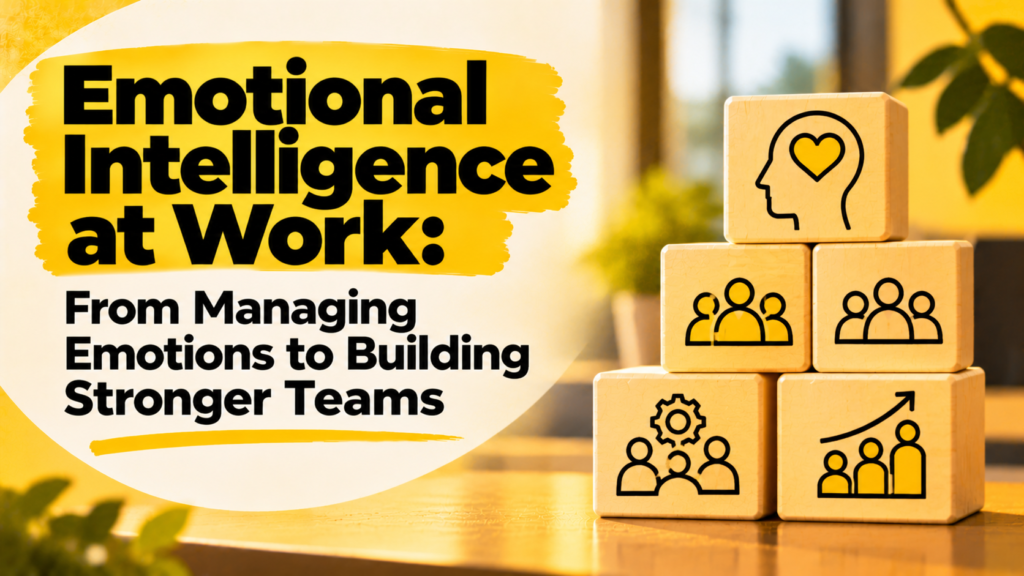
Emotional intelligence in leadership involves recognising emotions, managing reactions, and responding thoughtfully to workplace challenges.
When managers carry unresolved resentment into everyday interactions, it can influence their decisions and relationships. Developing self-awareness helps them distinguish legitimate concerns from judgments that no longer reflect current behaviour.
Forgiveness doesn’t require trusting someone immediately or overlooking repeated misconduct. It means remaining open to genuine improvement while maintaining appropriate boundaries.
The Leadership Question Worth Asking
Great leadership isn’t about creating a team that never makes mistakes. It’s about building a culture where people take responsibility, learn, and have a fair opportunity to grow.
The next time an employee’s past mistake influences your decision, pause and ask:
“Am I holding them accountable for what happened, or continuing to punish them after they’ve changed?”
A mistake should become a lesson, not a permanent identity.
Build Trust Through Better Leadership with TBH Circle
TBH Circle helps organisations strengthen leadership effectiveness through behavioural science, experiential learning, and practical development interventions—helping managers navigate conflict, strengthen emotional intelligence, and build accountable, trusting teams.